Search
Facts About RSS
Home
About RSS
The Beginning
The RSS ‘Shakha’
Dr KB Hedgewar – Founder of RSS
Guruji: The Second Sarsanghchalak
Balasaheb Deoras: The Third Sarsanghchalak
Rajju Bhaiya: The Fourth Sarsanghchalak
K.S. Sudarshan: The Fifth Sarsanghchalak
Resolutions
Speeches
Articles
FAQs
Useful Links
Downloads
Gallery
Books: Excerpts & Reviews
Select theme:
Dark mode toggle
Facts About RSS
Saturday, October 17, 2026
RSSFACTS: The lesser known and unknown facts about Rashtriya Swayamsevak Sangh (RSS), the largest voluntary organisation in the world.
Home
About RSS
The Beginning
The RSS ‘Shakha’
Dr KB Hedgewar – Founder of RSS
Guruji: The Second Sarsanghchalak
Balasaheb Deoras: The Third Sarsanghchalak
Rajju Bhaiya: The Fourth Sarsanghchalak
K.S. Sudarshan: The Fifth Sarsanghchalak
Resolutions
Speeches
Articles
FAQs
Useful Links
Downloads
Gallery
Books: Excerpts & Reviews
Dark toggle
Home
Rashtriya Swayamsevak Sangh
Tag: Rashtriya Swayamsevak Sangh
Articles
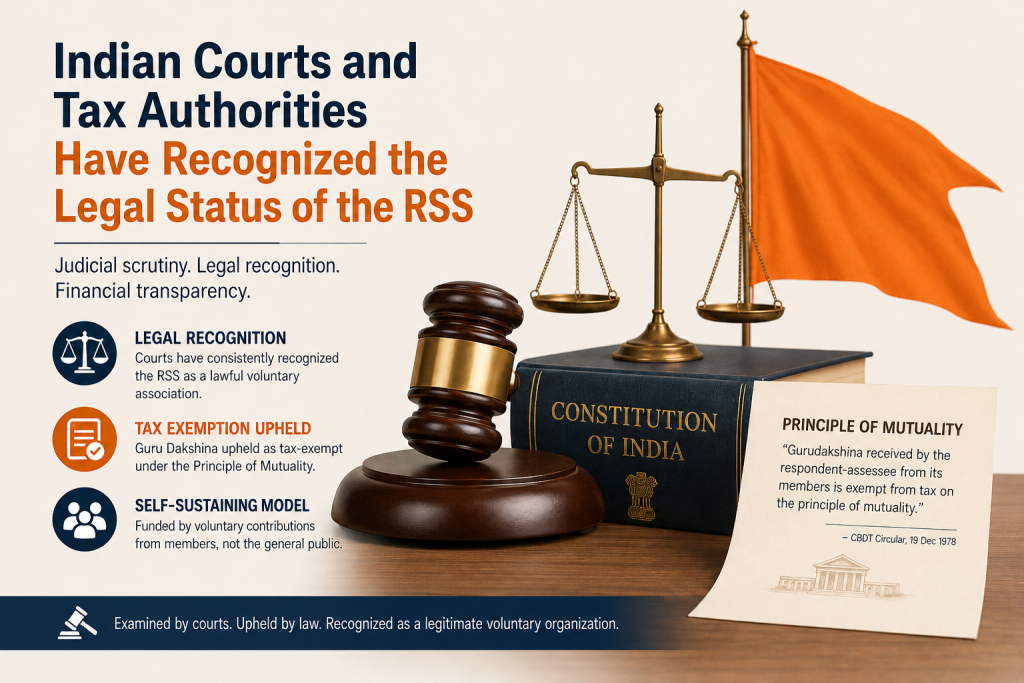
How Indian Courts and Tax Authorities Have Defined the Legal Status of the RSS
Articles
Emergency (1975-77) in India: An Archive of RSS Martyrs
Articles
Emergency (1975–77): The Documented Brutality Faced by RSS Volunteers
Articles
Understanding the Philosophical Foundation of RSS-Part 1
Articles
Hindu Rashtra and Religious Minorities: Decoding the RSS Perspective
Articles
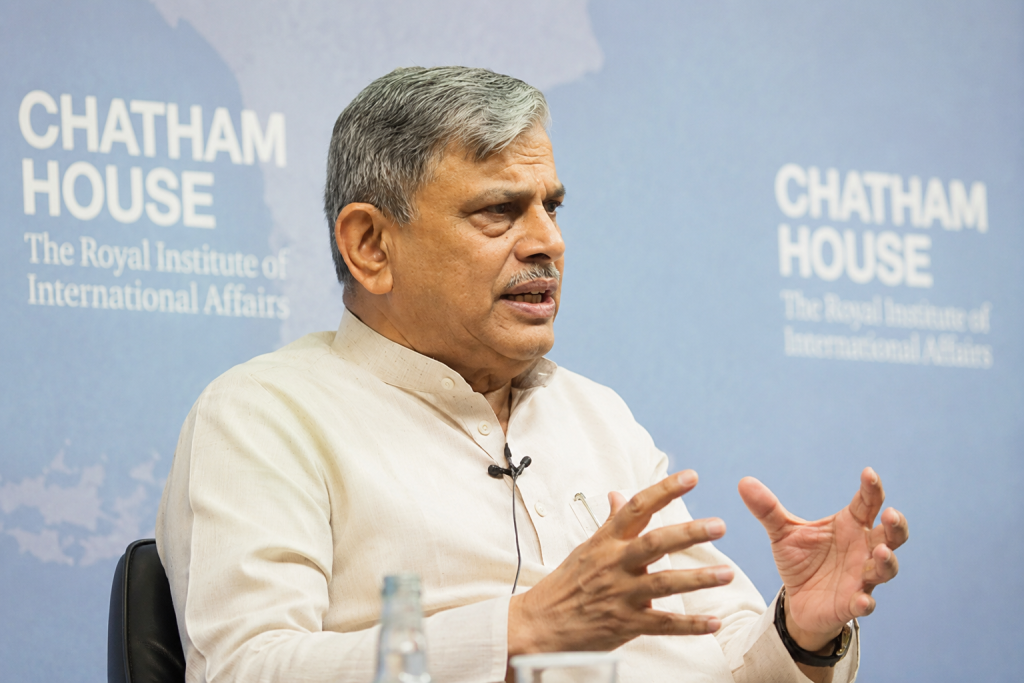
RSS in UK: Growing Global Interest in Bharat’s Civilisational Perspective
Articles
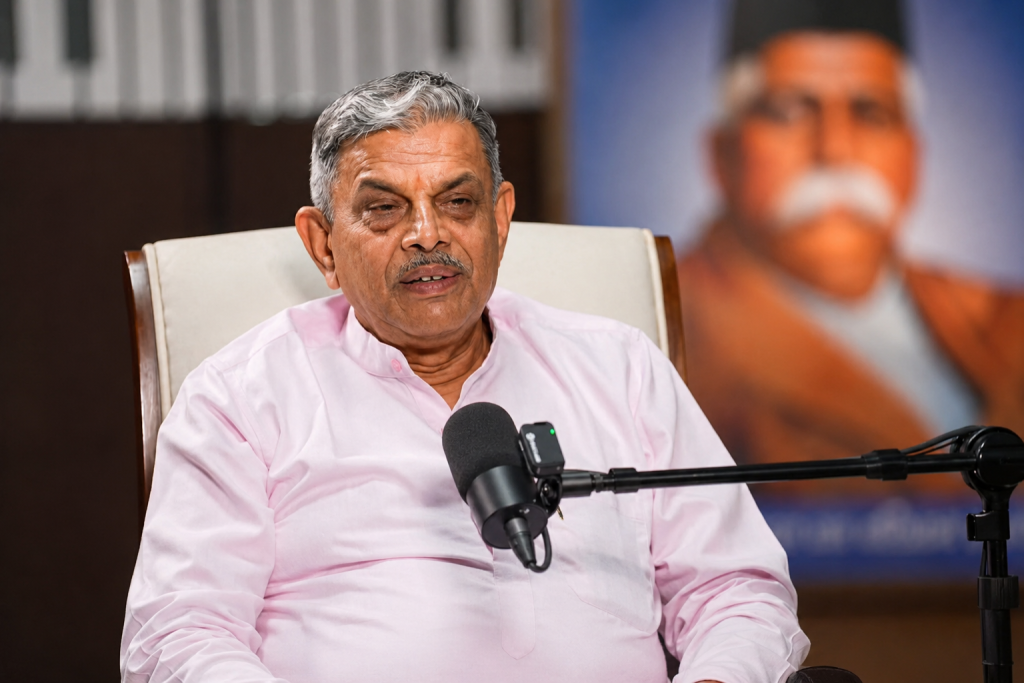
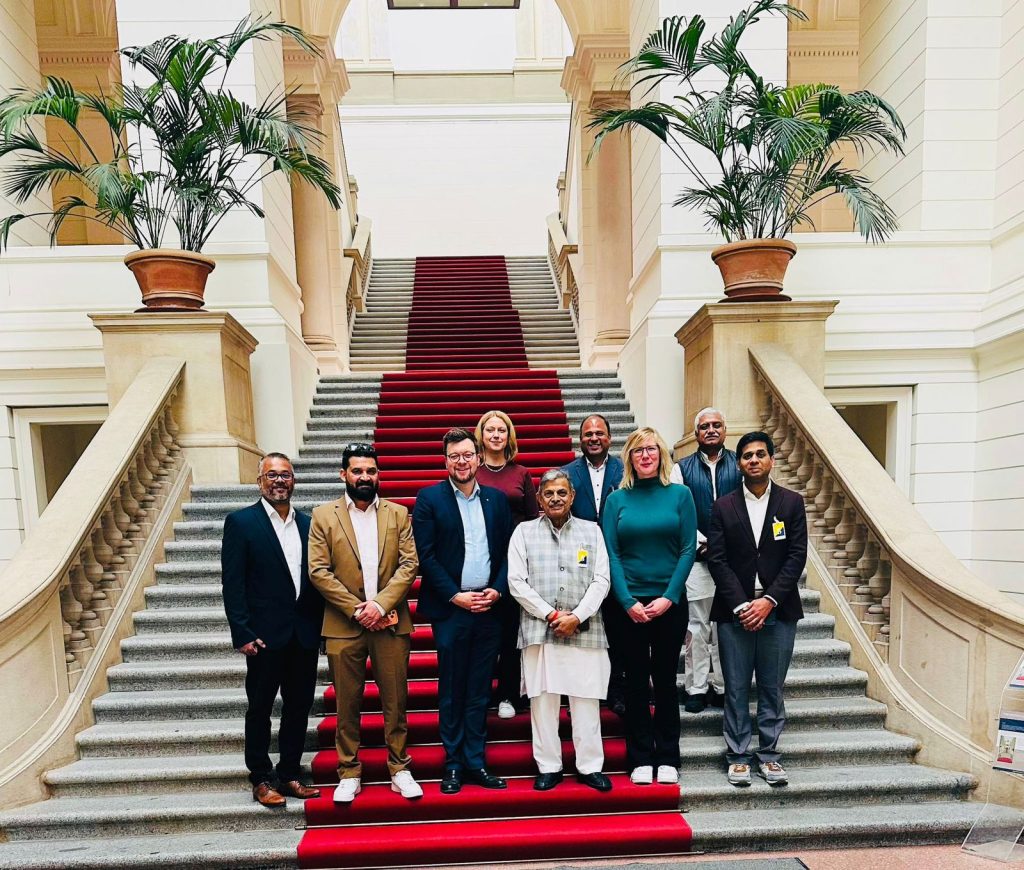
Civilisational Conversations in Berlin: Why Dattatreya Hosabale’s Visit Matters
1
2
3
4
…
13