Search
Facts About RSS
Home
About RSS
The Beginning
The RSS ‘Shakha’
Dr KB Hedgewar – Founder of RSS
Guruji: The Second Sarsanghchalak
Balasaheb Deoras: The Third Sarsanghchalak
Rajju Bhaiya: The Fourth Sarsanghchalak
K.S. Sudarshan: The Fifth Sarsanghchalak
Resolutions
Speeches
Articles
FAQs
Useful Links
Downloads
Gallery
Books: Excerpts & Reviews
Select theme:
Dark mode toggle
Facts About RSS
Friday, October 16, 2026
RSSFACTS: The lesser known and unknown facts about Rashtriya Swayamsevak Sangh (RSS), the largest voluntary organisation in the world.
Home
About RSS
The Beginning
The RSS ‘Shakha’
Dr KB Hedgewar – Founder of RSS
Guruji: The Second Sarsanghchalak
Balasaheb Deoras: The Third Sarsanghchalak
Rajju Bhaiya: The Fourth Sarsanghchalak
K.S. Sudarshan: The Fifth Sarsanghchalak
Resolutions
Speeches
Articles
FAQs
Useful Links
Downloads
Gallery
Books: Excerpts & Reviews
Dark toggle
Home
Articles
Articles
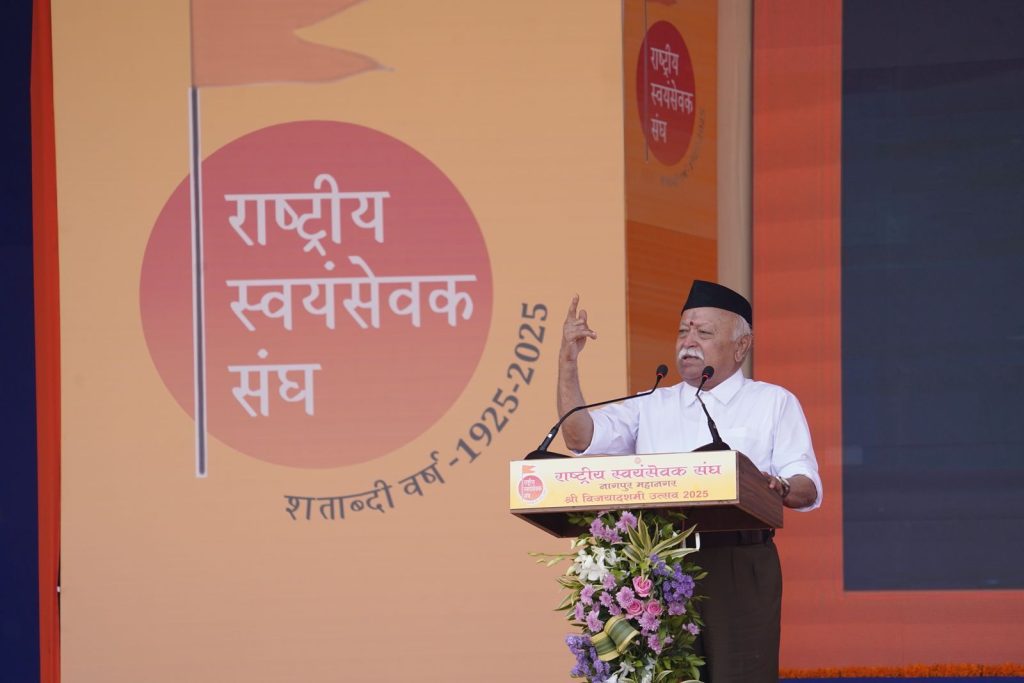
Vijayadashami and the Sangh at One Hundred
The RSS and Mahatma Gandhi’s Swadeshi: Who Carried the Idea Forward?
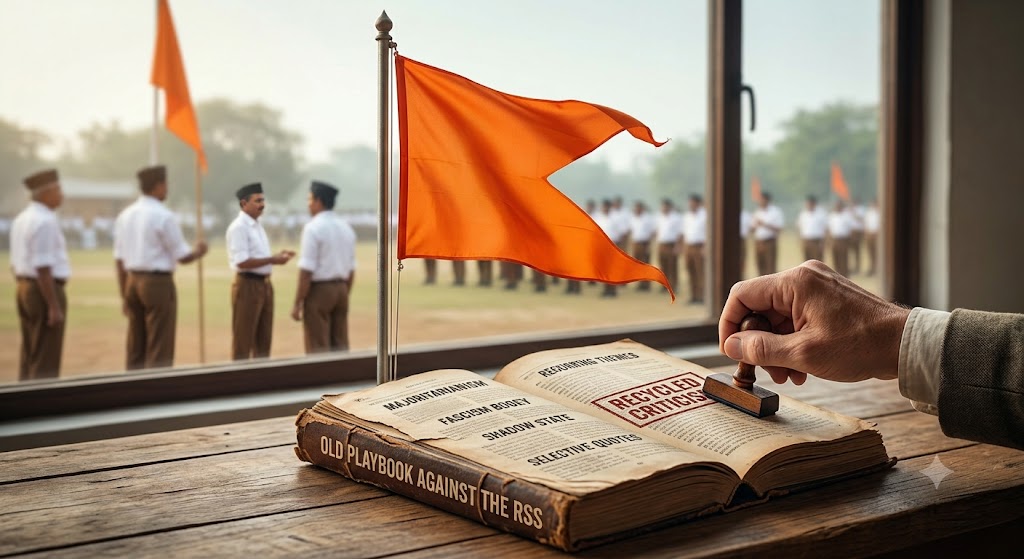
How the Old Playbook Against the RSS Still Gets Recycled
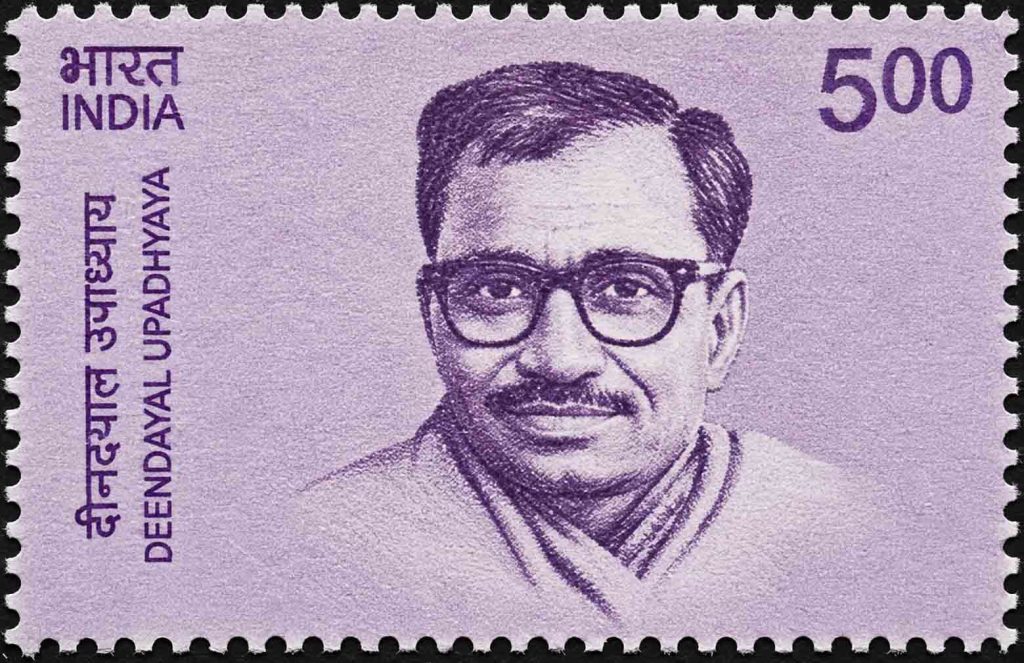
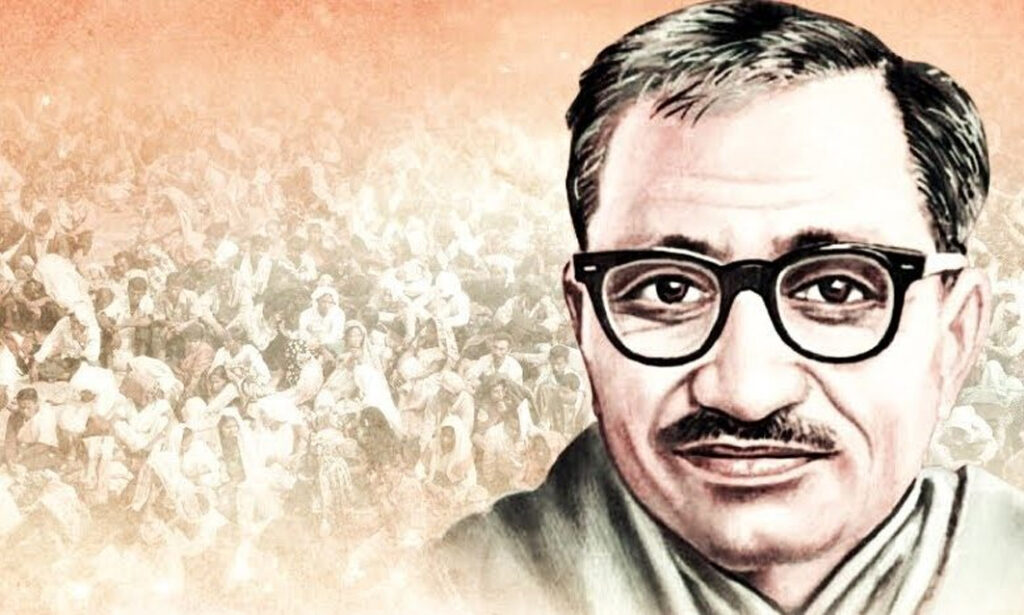
How Deendayal Upadhyaya’s Integral Humanism is Timeless
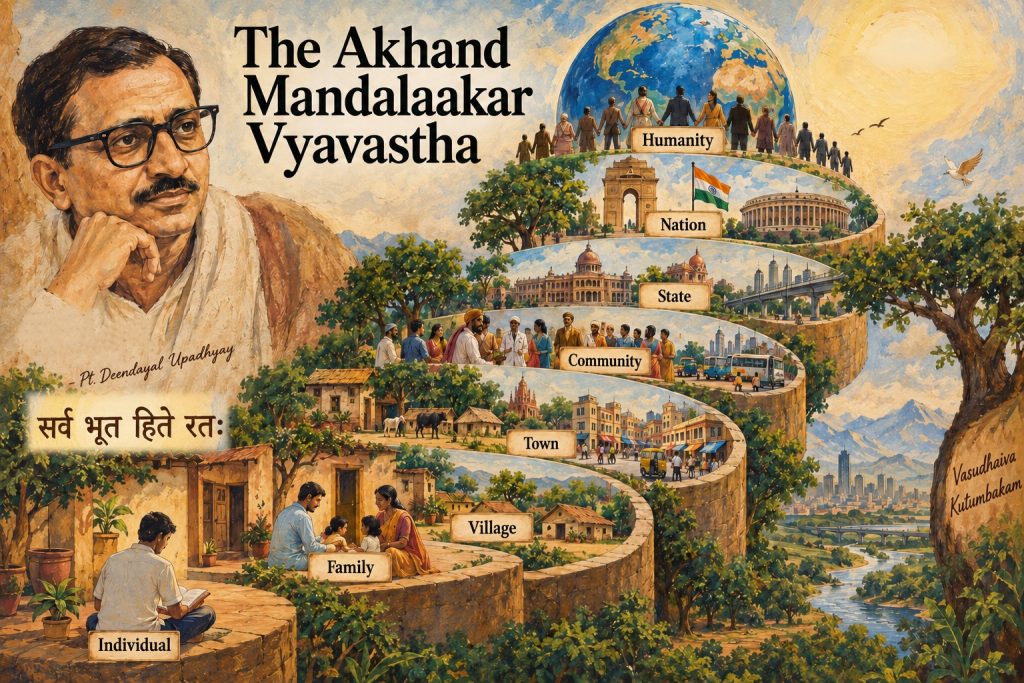
Beyond the Social Contract: Deendayal Upadhyaya’s Organic Sociology and the Unbroken Spiral
Integral Humanism: Deendayal Upadhyaya’s Vision of the Individual, Society, and Nation
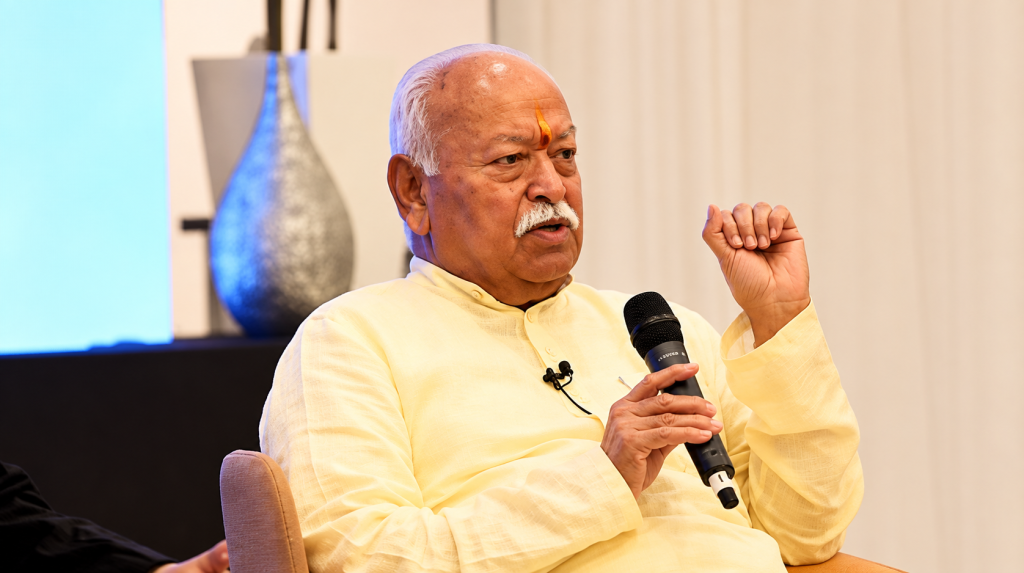
The Hindu Idea of Oneness: RSS Sarsanghchalak Mohan Bhagwat’s London Address
1
2
3
…
28