Why India’s Opposition Keeps Targeting the RSS—and Why It Isn’t Working
Updated: July 16, 2026 4:32
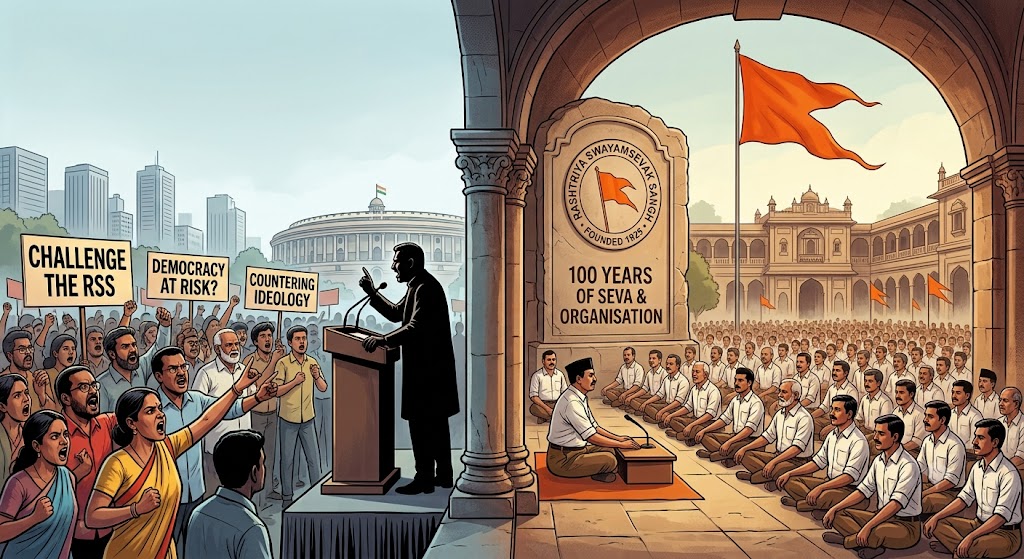
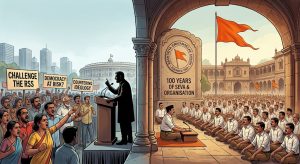
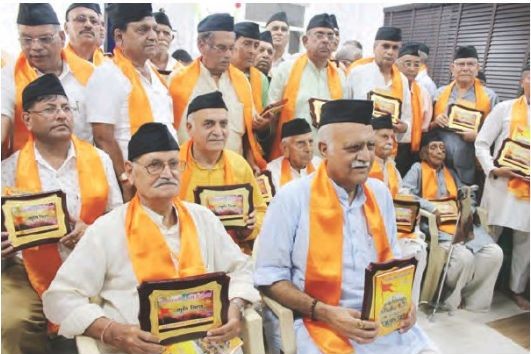
The Rashtriya Swayamsevak Sangh (RSS), India’s largest volunteer-based socio-cultural organization, recently completed its centenary. Founded in 1925, it has grown into one of the world’s largest civil society movements, with millions of volunteers engaged in community service, education, disaster relief, and cultural activities. It also serves as the principal ideological influence behind India’s governing Bharatiya Janata Party (BJP).
For many outside India, the RSS is also one of the country’s least understood organizations. It is frequently portrayed through the lens of political controversy rather than its organizational structure, social work, or ideological evolution. As India’s political polarization has intensified, attacks on the RSS have become increasingly central to opposition politics.
This raises two important questions. Why has the RSS become such a primary political target? And why does the organization itself rarely engage in public rebuttals?
Why the RSS Has Become the Opposition’s Primary Target
India’s opposition parties increasingly view the RSS as the organizational engine behind the BJP’s electoral success. Their argument is straightforward: while political parties come and go, the RSS has spent decades building disciplined networks of volunteers who remain active regardless of election cycles.
Unlike conventional political organizations that mobilize primarily during campaigns, the RSS operates year-round through local branches, training programs, educational initiatives, and community service. Its emphasis on long-term cadre development has produced a network of committed volunteers that many political parties struggle to replicate.
This organizational asymmetry worries the opposition. As the RSS continues to expand during its centenary year, opposition leaders fear they are losing not only elections but also long-term societal influence.
More Than a Political Ally
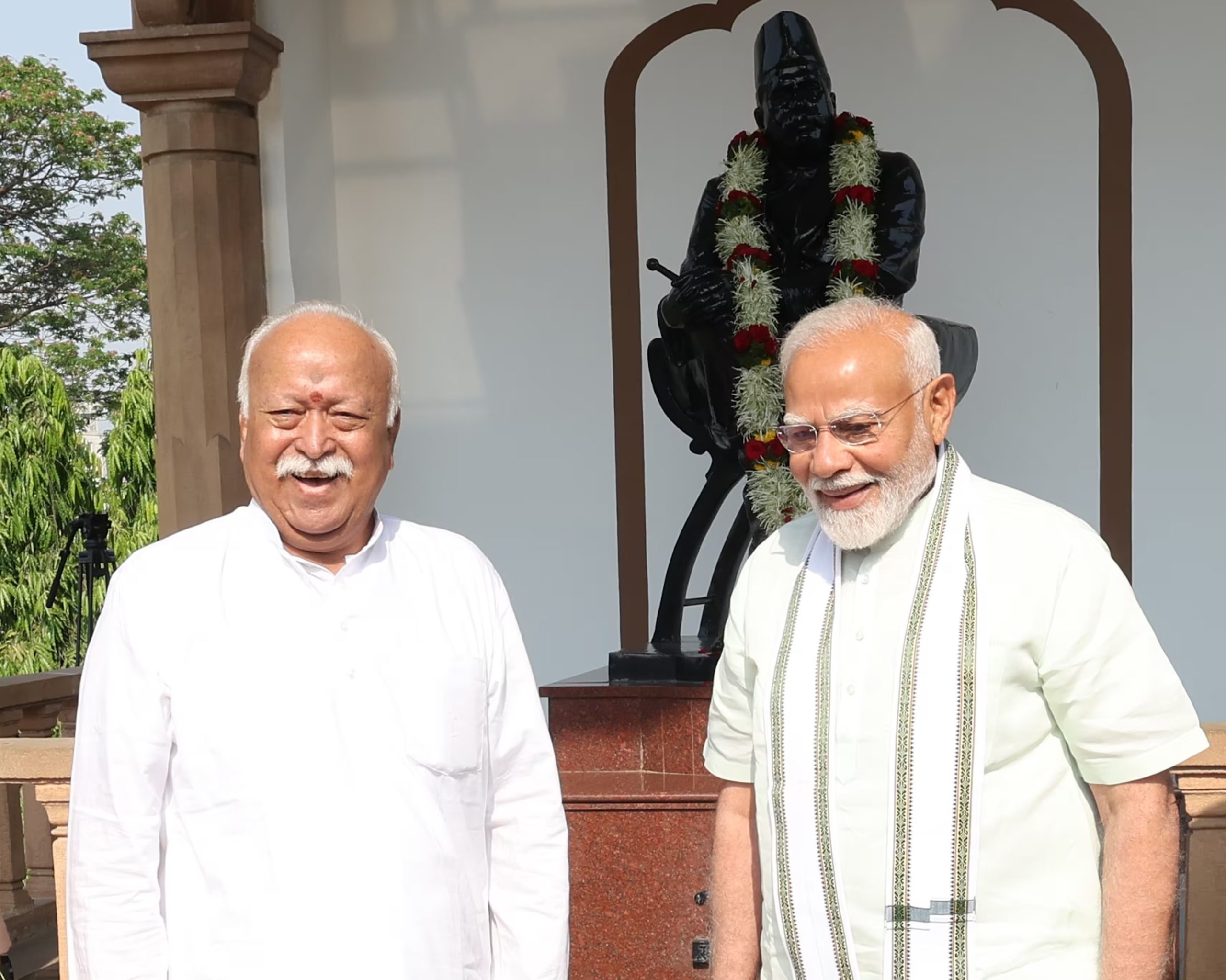
Outside observers often describe the RSS as the BJP’s parent organization. While the two share ideological roots, the relationship is better understood as one of ideological mentor and political practitioner.
The RSS does not contest elections, endorse candidates, or function as a political party. Instead, it views itself as a socio-cultural institution focused on nation-building through character development, civic engagement, and social cohesion. The BJP, by contrast, operates within India’s electoral system and is subject to the compromises inherent in democratic politics.
This distinction is important because many criticisms directed at the RSS often stem from disagreements with the policies of BJP governments, even though the two organizations serve different institutional roles.
Why the RSS Rarely Responds
One of the most distinctive features of the RSS is its refusal to engage regularly in political exchanges or media battles.
Internally, the organization teaches that Indian society should not be viewed through the prism of permanent enemies. Critics today, it argues, may become collaborators tomorrow. This belief has shaped its public posture for decades.
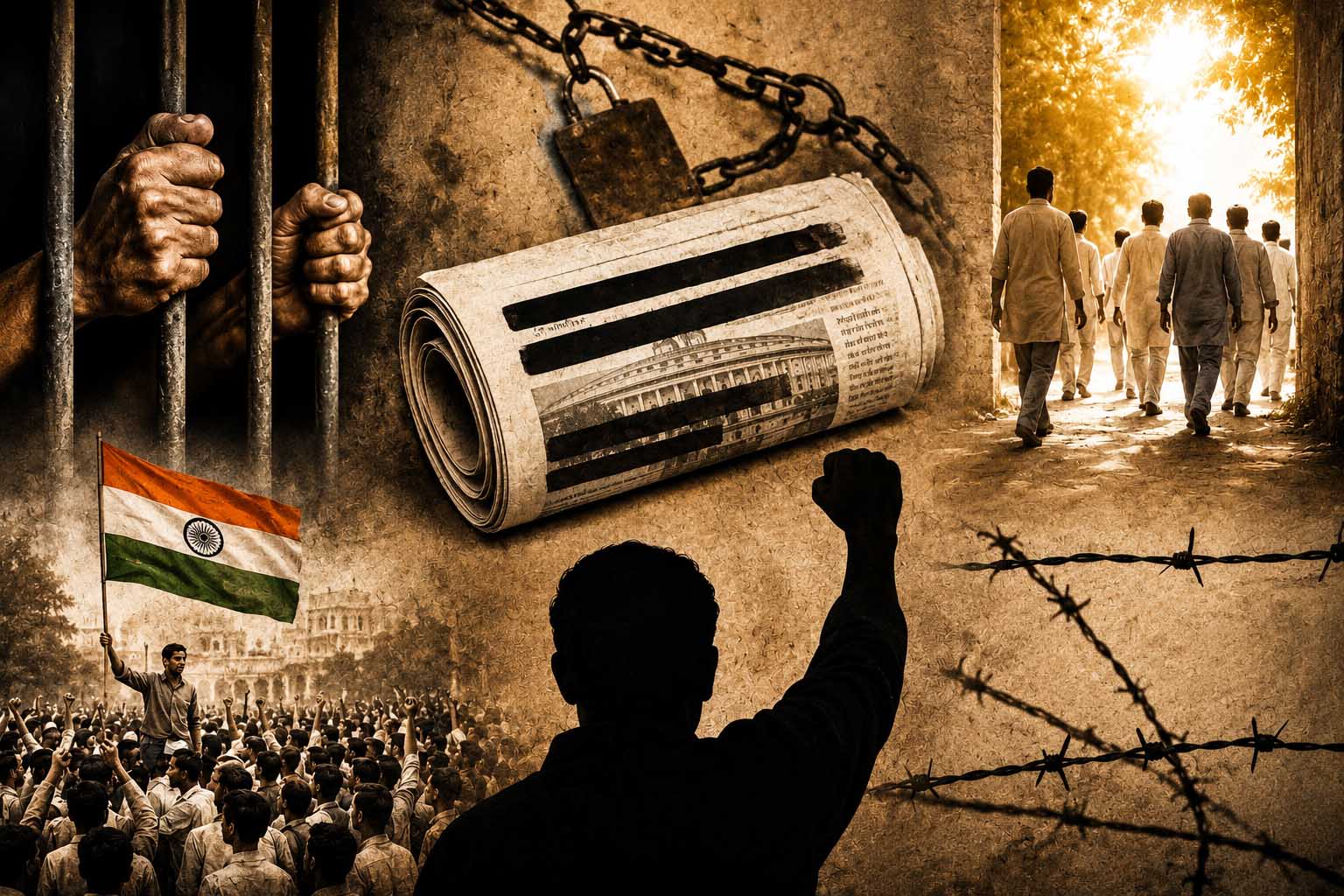
Indian political history offers examples. Socialist leader Jayaprakash Narayan, once a sharp critic of the RSS, publicly praised its role during India’s Emergency (1975–77), when democratic institutions were suspended under Prime Minister Indira Gandhi. After witnessing the organization’s participation in the movement to restore democratic rule, he famously remarked, “If the RSS is fascist, then I am a fascist.”
Whether one agrees with that assessment or not, it illustrates how perceptions of the organization have evolved across different periods of Indian political history.
Letting Performance Speak
The RSS has also developed a culture of institutional patience.
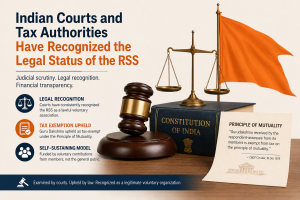
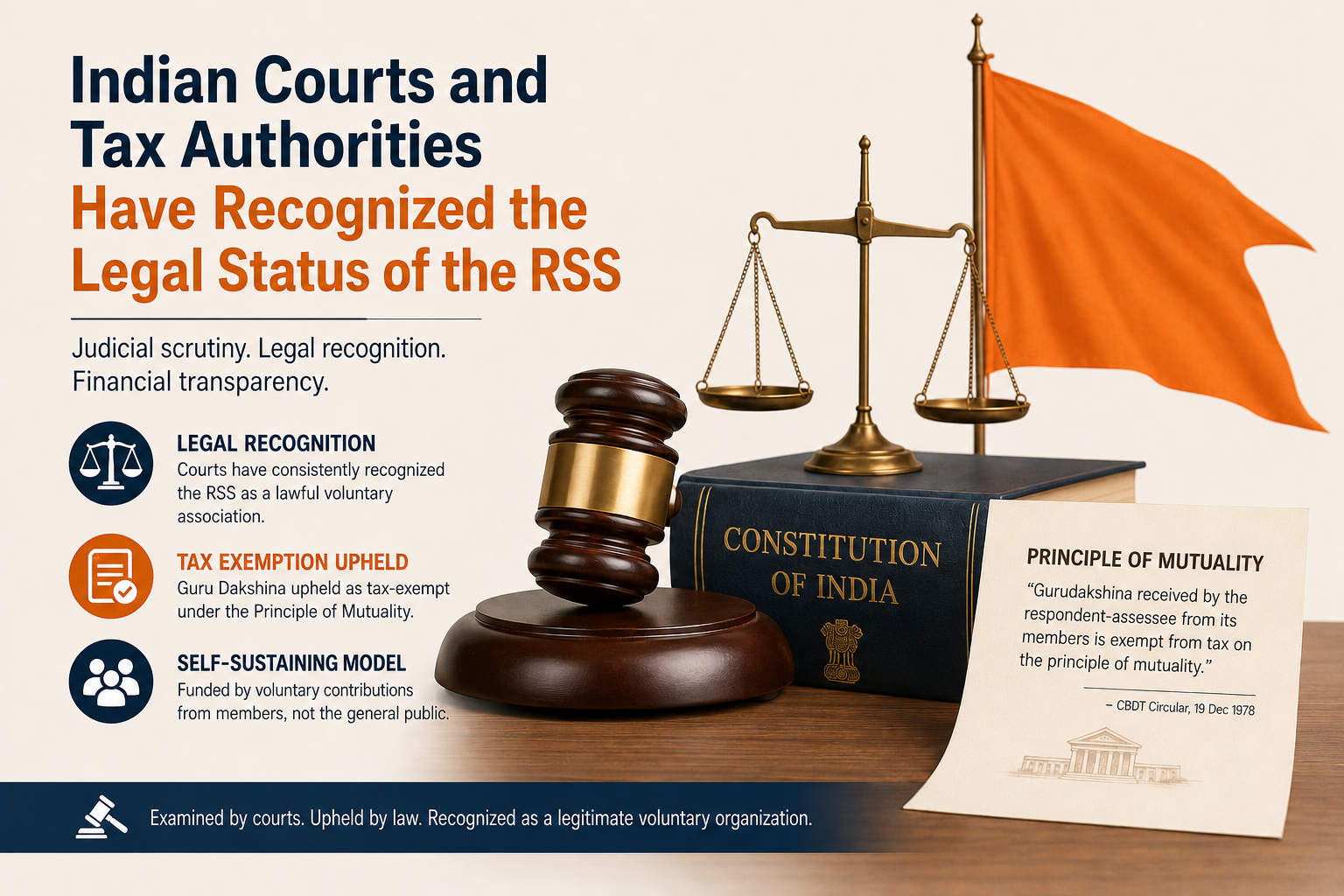
Since independence, it has survived three government bans, prolonged legal scrutiny, and sustained political criticism. In each case, the restrictions were eventually lifted, allowing the organization to resume its activities.
Its leadership often argues that credibility is earned through sustained work rather than public relations. Volunteers are encouraged to focus on service rather than publicity, believing that social legitimacy ultimately comes from long-term engagement with communities rather than winning daily political arguments.
A Different Theory of Social Change
Perhaps the most significant difference between the RSS and conventional political organizations lies in its understanding of how societies change.
Following the lifting of the first government ban in 1949, there was internal debate over whether the RSS itself should transform into a political party. Under the leadership of M.S. Golwalkar, the organization, rejected that path.
Its conclusion was that lasting social transformation cannot be achieved through electoral politics alone. Governments can create favorable conditions, but enduring change requires cultural institutions that operate independently of election cycles.
This philosophy explains why the RSS has consistently remained outside formal politics while simultaneously influencing India’s broader public discourse.
The Opposition’s Strategic Miscalculation
From a strategic perspective, India’s opposition may be confronting the wrong challenge.
Criticizing the RSS may generate headlines, but it does little to address the structural weaknesses that have contributed to the opposition’s decline. The organizational depth, ideological clarity, and grassroots presence that characterize the RSS cannot simply be neutralized through political attacks.
If opposition parties hope to regain long-term relevance, they will likely need to invest in rebuilding their own organizational capacity, developing coherent ideological narratives, and reconnecting with communities at the grassroots level.
In other words, the contest is less about defeating the RSS than about building institutions capable of matching its long-term social engagement.
Whether one admires or opposes the RSS, its century-long growth demonstrates a broader lesson that extends well beyond India: durable institutions are rarely weakened by criticism alone. They are challenged only when competing institutions offer a more compelling vision, stronger organization, and deeper public trust.